
Events
“Leave No Trace, Only Your Footprints” – young people as guardians of our natural heritage
Published Updated
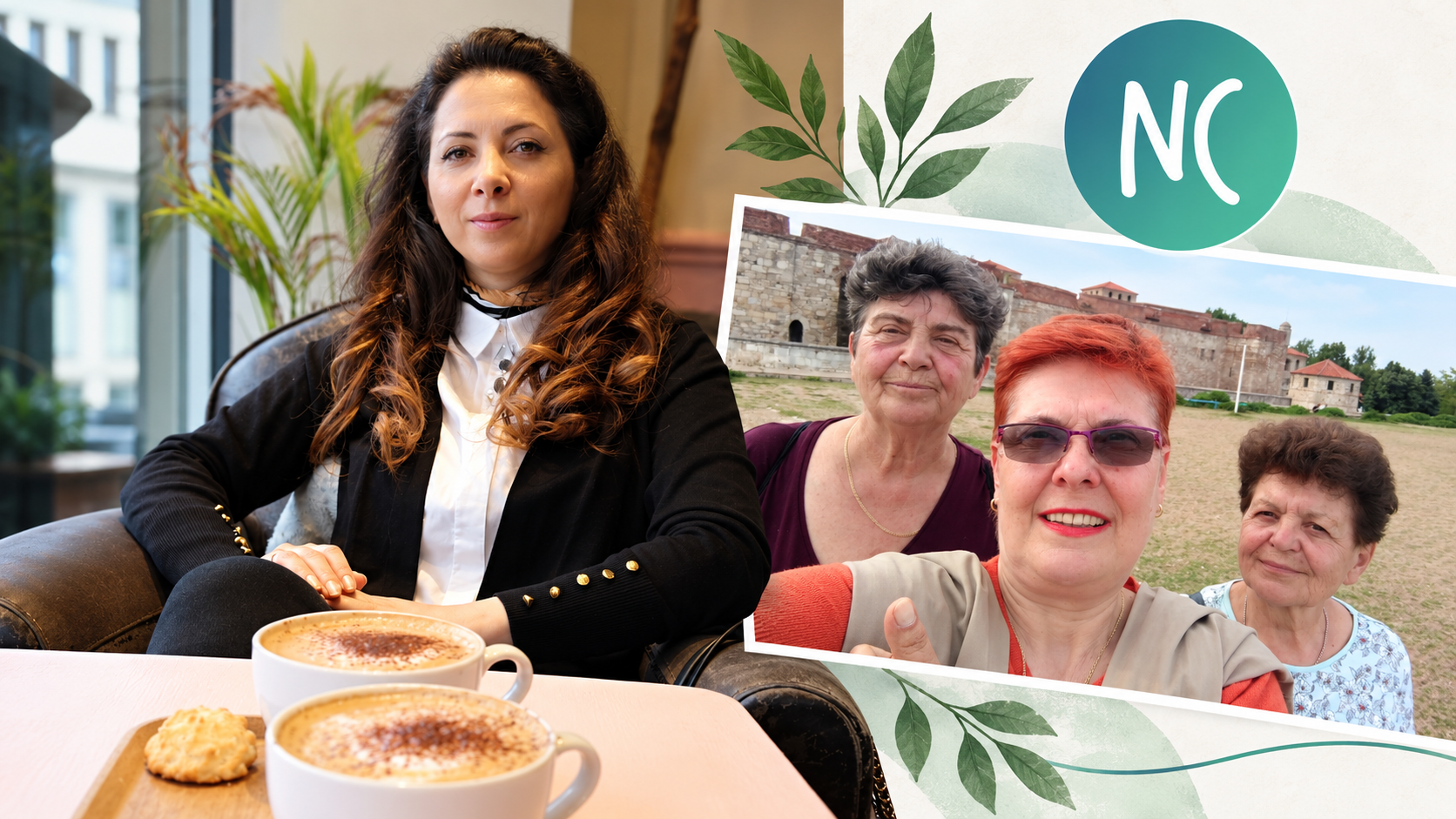
The Natural Choice Foundation organised the educational event “Leave No Trace, Only Your Footprints”, aimed at young people from Plovdiv and the surrounding region. It took place at the Lumbreco base in the village of Yagodovo and was led by Dr Yana Guteva and Dr Siyka Angelova, scientists with many years of research experience at the Institute of Plant Genetic Resources in Sadovo, with the support of Dr Maria Sabeva from the same institute.
The event combined accessible scientific information with conversation and an exchange of ideas. Its main goal was to raise young people’s awareness of environmental protection, responsible behaviour towards nature, and the importance and sustainable use of wild plants and traditional local crops for present and future generations.
The message in the title points to a simple but important principle: when we visit nature, our presence should not harm it. Yet responsible behaviour goes beyond picking up litter after a walk. It includes the way we use water and soil, the food we choose, our attitude towards plants and animals, and our readiness to protect the resources our lives depend on. Today more and more people, of all ages and professions, are turning to the protection of natural resources and agrobiodiversity.
Why are plant resources so important?
Special attention during the event was given to the importance of plant resources and agrobiodiversity. They are an inexhaustible source of genetic diversity and of great value for breeding new varieties. A wide network of global centres for the conservation of plant diversity has been established. Plant resources include wild and cultivated plants, local varieties, populations and forms used for food, agriculture, medicine, production and maintaining the balance of nature.
The methods for conserving plant genetic resources are:
- Storage in seed gene banks (ex situ), which keeps germplasm alive and safe for long periods – from several decades to a hundred years and more – and allows regulated exchange with breeders and farmers;
- As an alternative, plants are conserved by growing them in their natural habitat (in situ) for species of wild origin (herbs, forage plants), and, for crops, in the regions where they originated (on farm).
The lecturers’ research shows that the Bulgarian home garden can be seen as a small ecosystem with exceptionally rich plant diversity. It holds vegetables, fruit trees, legumes, vines, flowers, spices, and medicinal and aromatic plants. In different parts of the country these species are grown in characteristic combinations that reflect the local climate, soil conditions, way of life and traditions of the people.
Old and local varieties are especially valuable, created and preserved through long-term selection by generations of growers. Some of them are well adapted to their region, resistant to diseases and to adverse conditions such as drought and cold, give stable yields and have a distinctive taste. They can be an important source of valuable traits for breeding new varieties and developing more resilient farming practices.
Plant diversity is a kind of natural insurance. The greater it is, the more options we have to respond to climate change, new plant diseases, soil depletion and other future challenges. Losing a local variety does not only mean losing a particular taste or appearance. Valuable genetic traits, accumulated and preserved over generations, can disappear with it.
Seeds as carriers of memory and identity
The materials presented by Dr Guteva and Dr Angelova reveal another important side of the topic – the link between plant and cultural heritage. Old varieties are often tied to family stories, local dishes, holidays, customs and knowledge passed down from generation to generation. Exchanging seeds through local networks of farmers and growing them organically, without synthetic fertilisers, is a guarantee for preserving old local varieties and forms.
In many Bulgarian families, seeds were inherited or exchanged between relatives, neighbours and people from nearby villages. It is these small communities and home gardens that have helped many traditional varieties survive to this day. Examples in the research materials include local forms of beans, tomatoes, peppers, onions, pumpkins and spices, kept for their taste, tradition and good adaptability.
Today part of this wealth is threatened with extinction because of rural depopulation, the decline of home gardens, the difficulty of producing and storing seed, and the displacement of local plants by more widespread varieties and hybrids. Protecting them therefore requires joint efforts from scientists, farmers, local communities, educational institutions, non-governmental organisations and young volunteers.
From knowledge to personal responsibility
During the event, participants discussed how their everyday decisions affect the environment. The conversation encouraged the young people not only to gain new knowledge but also to share their own ideas for a more sustainable way of life.
Protecting nature starts with small, consistent actions: leaving no litter, using natural resources wisely, limiting unnecessary consumption, respecting natural habitats, and supporting local production and the diversity of local plants.
The event “Leave No Trace, Only Your Footprints” showed that science can be close, understandable and directly connected to young people’s lives. And when knowledge turns into a conscious choice and personal action, every step can be part of the positive change that nature and local communities need.